Recent News
-
Is an International School Fee Worth It? What You Actually Get for the Money
 October 8, 2026
 -
How a Well-Designed Boarding Experience Supports Life Skills and Confidence
September 25, 2026 -
What Makes a Boarding Environment Supportive for Academic and Personal Growth
September 19, 2026 -
How Structured Daily Routines Prepare Students for Independent Living
September 15, 2026 -
How Everyday Campus Experiences Help Students Develop Leadership Skills
September 10, 2026 -
Choosing a Residential School That Blends Academic Rigor with Holistic Development
August 26, 2026 -
How Global Curricula and Boarding Facilities Prepare Students for International Success
August 18, 2026
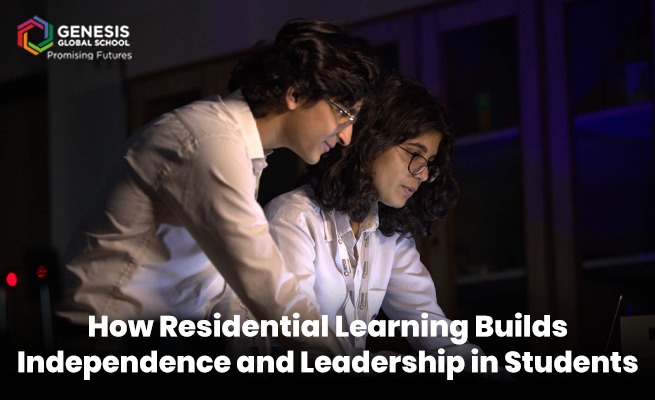
How Residential Learning Builds Independence and Leadership in Students
Introduction:
Residential learning, or boarding school education, has long been regarded as an ideal platform for fostering independence, self-discipline, and leadership in students. For many, the transition from a home environment to a residential school can seem daunting, but the long-term benefits are profound. At Genesis Global, the Best Boarding Schools in Delhi offers a unique blend of academics, extracurricular activities, and social development that cultivates leadership qualities and helps students thrive both academically and personally.
About Us:
At Genesis Global School, residential learning is a cornerstone of our philosophy, fostering independence and leadership skills in students. By living on campus, students learn to manage their time, make decisions, and take responsibility for their personal growth. They develop critical thinking, resilience, and the confidence to lead both inside and outside the classroom. Through daily interactions, leadership roles, and collaborative projects, students cultivate essential life skills that prepare them for success in the global world.
Fostering Independence
At a residential school, students are responsible for managing their time, routine, and personal space. Unlike traditional day schools, where students return home at the end of the day, residential students live, study, and socialize within a close-knit community. This environment encourages students to take ownership of their academic commitments, time management, and personal well-being. They must learn how to balance schoolwork, chores, and social activities, which nurtures a sense of responsibility and independence that will benefit them in their future endeavors.
Building Leadership Qualities
Leadership is another significant benefit of residential learning. Boarding schools provide numerous opportunities for students to take on leadership roles both inside and outside the classroom. From leading student groups to serving as captains of sports teams or heading various extracurricular activities, residential students are given ample chances to sharpen their leadership skills. These roles require them to collaborate with peers, solve problems, make decisions, and inspire others—traits that are foundational to effective leadership.
Building Emotional Resilience
Another key aspect of residential learning is its ability to build emotional resilience. Living away from home can be challenging, especially for younger students. However, overcoming homesickness and learning to adapt to new situations builds emotional strength. Boarding schools provide the support students need while also encouraging them to work through difficult situations independently. This helps them develop coping mechanisms, adaptability, and emotional intelligence.
A Strong Sense of Community
One of the most important aspects of residential learning is the sense of community that students develop. Boarding schools create tight-knit communities where students learn to work and live together harmoniously, respecting diversity and cultivating inclusiveness. The constant interactions with peers from various backgrounds foster teamwork and collaboration, both of which are vital leadership skills.
Preparation for Future Success
The experiences gained in residential schools equip students with the skills needed for success in higher education and beyond. Students develop critical thinking, problem-solving, and organizational skills that prepare them for the challenges of university life and professional careers. The independence they gain from managing their time, academic responsibilities, and personal affairs enables them to thrive in fast-paced, demanding environments.
Conclusion:
Residential learning provides a comprehensive education that extends beyond academics to include personal growth, emotional resilience, and leadership development. By immersing students in a community where they are encouraged to take responsibility, solve problems, and lead others, boarding schools prepare them to face the challenges of adulthood with confidence and maturity. These skills are indispensable for success in both higher education and future careers, making residential schools an excellent choice for students seeking to develop the independence and leadership qualities that will serve them well throughout their lives.
FAQs:
-
How does residential learning promote independence in students?
Residential learning encourages students to manage their own schedules, academics, and personal responsibilities, fostering independence that builds confidence for future challenges. -
What leadership opportunities are available at residential schools?
Boarding schools offer numerous leadership roles, such as student council positions and team captains, helping students develop crucial leadership skills. -
How does living on campus help students with time management?
The structured environment of residential schools teaches students to balance academics, extracurriculars, and personal responsibilities, improving time management skills. -
Are students in residential schools more independent than those in day schools?
Yes, students in boarding schools are responsible for their daily routines and decisions, which fosters independence and responsibility from a young age. -
What role does extracurricular involvement play in leadership development?
Extracurricular activities allow students to explore their interests, while also providing them with leadership roles that contribute to their growth. -
How do boarding schools prepare students for future leadership roles?
Boarding schools teach students the importance of teamwork, decision-making, and conflict resolution—skills essential for becoming effective leaders in any field.