Recent News
-
Is an International School Fee Worth It? What You Actually Get for the Money
 October 8, 2026
 -
How a Well-Designed Boarding Experience Supports Life Skills and Confidence
September 25, 2026 -
What Makes a Boarding Environment Supportive for Academic and Personal Growth
September 19, 2026 -
How Structured Daily Routines Prepare Students for Independent Living
September 15, 2026 -
How Everyday Campus Experiences Help Students Develop Leadership Skills
September 10, 2026 -
Choosing a Residential School That Blends Academic Rigor with Holistic Development
August 26, 2026 -
How Global Curricula and Boarding Facilities Prepare Students for International Success
August 18, 2026
The Importance of Routine, Responsibility, and Residential Mentoring
Introduction:
For parents exploring boarding schools, one of the most important considerations is how effectively a residential environment shapes a child’s character and independence. At Genesis Global, the Good Boarding School around Delhi where beyond academics, residential education plays a powerful role in building life skills through structured routines, shared responsibilities, and consistent mentoring. Together, these elements create a foundation that helps students grow into disciplined, confident, and self-reliant individuals.
About Us:
Genesis Global School nurtures responsible, confident students through structured routines and dedicated residential mentoring. Our holistic approach blends strong academics with a diverse range of extracurricular activities, including creative arts, music, swimming, and team sports. Students benefit from regular events like leadership workshops, community service drives, talent festivals, and fitness challenges that promote personal growth. With an emphasis on emotional well-being and life-skill development, our mentors guide every learner to build discipline and independence.
Why Routine Matters in Residential Education
Routine is the backbone of successful residential learning. A well-planned daily schedule provides students with structure, predictability, and balance. From morning preparation to study hours, activities, and rest, routine teaches students how to manage time effectively.
Unlike unstructured environments, residential settings ensure that students develop healthy habits early in life. Regular routines improve focus, reduce stress, and instill discipline—skills that remain valuable well beyond school years. This structured lifestyle is one of the defining strengths parents often associate with boarding schools.
Building Responsibility Through Daily Living
Living in a residential campus naturally introduces students to responsibility. Managing personal belongings, following schedules, maintaining shared spaces, and meeting academic expectations encourage accountability. Students learn that their actions directly impact their daily lives and those around them.
The Role of Residential Mentoring
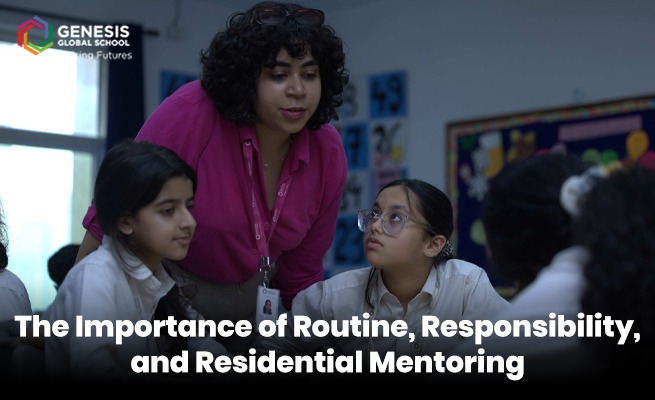
Residential mentoring is a cornerstone of effective boarding education. Teachers and mentors are not limited to classroom interactions; they engage with students throughout the day, offering guidance, encouragement, and support. This close mentorship helps educators understand each learner’s strengths, challenges, and emotional needs.
Through regular interaction, mentors become trusted role models who guide students academically and personally.
Emotional Support and Personal Growth
Adapting to residential life can be challenging, especially for younger students. A strong mentoring framework helps students navigate emotional transitions such as homesickness, academic pressure, and social adjustments. Mentors provide reassurance, teach coping strategies, and encourage open communication.
This emotional guidance builds resilience and self-awareness. Students learn to handle challenges independently while knowing that support is always available.
Discipline Without Pressure
One of the biggest advantages of routine-based residential education is discipline without excessive pressure. Clear expectations and consistent schedules create an environment where students understand boundaries and responsibilities. Discipline becomes a natural outcome of structure rather than enforcement.
Encouraging Leadership Through Responsibility
Responsibility in residential life often extends to leadership opportunities. Students may be assigned roles within dormitories, activity groups, or peer teams. These responsibilities teach collaboration, decision-making, and accountability.
Leadership experiences within a residential setting help students understand teamwork and empathy.
Balancing Academics and Life Skills
Residential routines are designed to balance academic rigor with personal development. Dedicated study hours ensure focus, while structured activity times promote physical fitness and creativity. This balance prevents burnout and encourages holistic growth.
Preparing Students for Independent Futures
Routine, responsibility, and mentoring work together to prepare students for life beyond school. Graduates of strong residential programs are often better equipped to manage university life and professional environments. They are accustomed to structured living, independent decision-making, and collaborative work.
These skills give students a distinct advantage as they transition into adulthood, making residential education a valuable long-term investment.
Conclusion:
The success of residential education lies in its ability to shape well-rounded individuals. Through consistent routines, shared responsibility, and strong residential mentoring, students develop discipline, confidence, and independence. These elements go far beyond academic achievement, laying the groundwork for lifelong success.
FAQs:
-
Why is routine essential in residential education?
Routine builds discipline, time management, and consistency in daily habits. -
How does responsibility develop in boarding life?
Students learn accountability by managing personal tasks and shared spaces. -
What is residential mentoring?
It is continuous guidance provided by teachers beyond classroom learning. -
How does mentoring support emotional well-being?
Mentors help students adjust, manage stress, and build confidence. -
Can structured routines reduce academic pressure?
Yes, clear schedules help students stay organized and focused.
6. How do these elements prepare students for adulthood?
They develop independence, resilience, and confidence for future challenges