Recent News
-
Is My Child Ready for Boarding? 7 Honest Signs to Look For
 October 20, 2026
 -
What Should a Parent Look for in a Report Card Beyond Marks?
October 14, 2026 -
Is an International School Fee Worth It? What You Actually Get for the Money
October 8, 2026 -
How a Well-Designed Boarding Experience Supports Life Skills and Confidence
September 25, 2026 -
What Makes a Boarding Environment Supportive for Academic and Personal Growth
September 19, 2026 -
How Structured Daily Routines Prepare Students for Independent Living
September 15, 2026 -
How Everyday Campus Experiences Help Students Develop Leadership Skills
September 10, 2026
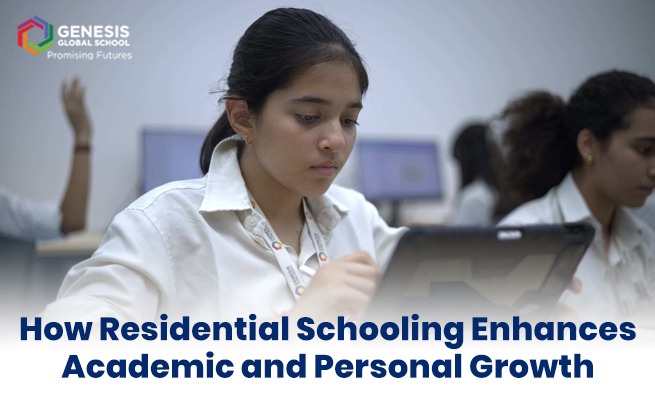
How Residential Schooling Enhances Academic and Personal Growth
Introduction:
In today’s fast-moving and highly competitive world, parents and educators are seeking learning environments that go beyond conventional classroom teaching. At Genesis Global, Among the Best Boarding Schools in Delhi, education extends far beyond textbooks to nurture emotional well-being, social adaptability, and essential life skills. This holistic approach is a key reason why many families are choosing boarding education during their children’s formative years.
Residential schooling is not simply an alternative to day schooling; it is a comprehensive ecosystem designed to support both academic excellence and personal development. By combining structured learning, character-building experiences, and continuous mentorship, this model encourages deep understanding, resilience, independence, and confidence—equipping students with the skills they need to thrive in an increasingly complex world.
About Us:
At Genesis Global School, we believe that residential education is transformative — merging academic excellence with personal development through a nurturing, structured environment. Our boarding life offers students a balanced daily routine with evening study support, coached by dedicated staff and house parents who ensure every learner feels motivated and secure. Outside the classroom, students engage in diverse extracurricular activities including team sports like football and basketball, performing arts, creative workshops, and community events that build resilience, teamwork, and self-expression. Weekend matches, cultural celebrations, and leadership sessions form an integral part of life outside academics, fostering confidence and social skills. Mid-term adventure excursions elevate experiential learning and strengthen peer bonds. With a focus on holistic development, our boarding programme empowers students to excel academically while gaining independence, emotional intelligence, and real-world readiness — preparing them to thrive in higher education and beyond.
What Is Residential Schooling?
Residential schooling is an immersive educational approach where students live on campus throughout the academic year. This environment offers structured routines, continuous supervision, and vibrant peer interaction, creating an atmosphere that supports comprehensive development.
Unlike day schools where learning is largely confined to classroom hours, residential schooling integrates academics, extracurriculars, and community living into a seamless experience. It’s a setting where learning continues beyond classroom hours—whether it’s in evening study halls, weekend clubs, or collaborative projects with classmates.
Academic Benefits of Residential Schooling
1. Structured Learning Environment
The residential model emphasizes discipline and routine. A well-planned schedule ensures that students engage in focused study time, group learning, revision sessions, and access to academic support all day long. This structured approach helps students:
-
Establish consistent study habits
-
Manage their time effectively
-
Engage more deeply with academic content
In the context of boarding schools, structured learning translates into stronger performance in internal assessments, competitive exams, and overall intellectual engagement.
2. Access to Dedicated Academic Mentors
Residential environments often feature a high teacher-to-student ratio, allowing for personalized attention. This benefits students who:
-
Need extra help in specific subjects
-
Thrive in collaborative discussion settings
-
Excel when guided through higher-order thinking tasks
Teachers double as mentors, understanding each student’s academic profile, strengths, and areas of improvement. This insight helps tailor support and accelerate academic progress.
3. Enhanced Peer Learning
Living with academically motivated peers creates a culture of intellectual curiosity. Students routinely:
-
Form study groups
-
Teach and learn from one another
-
Challenge each other to think critically
Such peer interactions boost confidence and deepen conceptual understanding, often leading to improved performance in school and competitive examinations.
4. Access to Resources Beyond the Classroom
Residential campuses typically invest in rich academic infrastructure:
-
Libraries with diverse collections
-
Science and computer labs with advanced equipment
-
Research facilities and project-based learning spaces
These resources empower students to explore subjects beyond standard curricula, fostering creativity and innovation.
Personal Growth Through Residential Schooling
Academic success is just one facet of education. The residential experience uniquely cultivates personal qualities that are essential for lifelong success.
1. Independence and Responsibility
Living away from home encourages self-reliance. Students learn to:
-
Wake up and manage their day
-
Organize their possessions and schedules
-
Balance academic priorities with personal care
This early experience of independence builds self-confidence and responsibility—traits that serve individuals well throughout their lives.
2. Social Skills and Emotional Intelligence
Communal living promotes rich social learning. Students learn to navigate:
-
Teamwork and collaboration
-
Conflicts and resolutions
-
Empathy and respect for diverse perspectives
These experiences cultivate emotional intelligence, improving interpersonal relationships and communication skills.
3. Character Development and Values
Residential schooling embeds values like integrity, resilience, and perseverance. Through:
-
Mentorship programs
-
Community service
-
Leadership opportunities
Learners internalize principles that shape their character and define how they interact with the world.
4. Adaptability and Resilience
Living away from family in a structured yet demanding environment pushes students to adapt. They learn to:
-
Overcome challenges independently
-
Seek support appropriately
-
Bounce back from setbacks
These capabilities build resilience—an essential quality for succeeding in higher education and future careers.
Holistic Development Through Co-Curricular Engagement
An education that truly prepares learners for the future goes beyond textbooks, encompassing activities that nurture physical, creative, and cognitive capacities.
1. Sports and Physical Fitness
Structured sports programs instill discipline, teamwork, and competitive spirit. Regular physical activity supports:
-
Health and well-being
-
Stress relief
-
Goal setting and perseverance
Students often perform at high levels in inter-school sports and cultivate lifelong fitness habits.
2. Arts and Cultural Expression
Exposure to arts, music, drama, and dance encourages creativity and self-expression. These avenues help students:
-
Build confidence
-
Discover hidden talents
-
Appreciate cultural diversity
Arts activities are recognized to enhance cognitive skills and creativity—benefits that translate into improved academic thinking.
3. Clubs and Interest Groups
The availability of interest-based clubs—ranging from robotics and debate to environmental advocacy and literature—adds another dimension to learning. These groups help students:
-
Pursue passions
-
Collaborate with peers
-
Develop leadership and project management skills
Participation in such clubs cultivates initiative and broadens intellectual horizons.
Building Leadership and Life Skills
Residential schooling places students in settings that require initiative, strategic thinking, and community involvement—essential elements of leadership development.
1. Student Governance and Responsibility Roles
Many campuses offer student councils, prefect roles, and peer mentorship positions. These platforms allow learners to:
-
Practice leadership and decision-making
-
Organize events and initiatives
-
Act as role models for younger peers
Such experiences build confidence and prepare students for leadership challenges in future academic and professional spaces.
2. Real-Life Problem Solving
Being part of a micro-community means facing and resolving real-life issues. Students learn to:
-
Communicate with clarity and respect
-
Negotiate solutions
-
Make decisions collaboratively
These are transferable skills that benefit students well beyond school.
3. Global Perspective and Cultural Awareness
Residential environments attract students from diverse backgrounds. Interacting with peers from different cultures and perspectives fosters:
-
Openness and tolerance
-
Cross-cultural understanding
-
Appreciation for global citizenship
This prepares students to thrive in increasingly global and interconnected contexts.
Safety, Well-Being, and Emotional Support
One common concern among parents considering residential options is student welfare. The best programs prioritize student well-being through:
1. Round-the-Clock Supervision
A secure environment with trained staff ensures safety and immediate support when needed. Dorm mentors and house parents provide guidance and supervision beyond waking hours.
2. Counseling and Mental Health Services
Counseling professionals help students manage stress, transition confidently, and develop emotional balance.
3. Health Services and Care
Well-equipped medical facilities and health programs ensure that student well-being is prioritized.
A Launchpad for Future Success
The advantages of residential schooling go far beyond the academic calendar. Alumni from such environments often exhibit:
-
Higher levels of self-confidence
-
Strong interpersonal and leadership skills
-
Adaptability in diverse settings
-
A track record of success in higher education and careers
These outcomes position graduates as capable thinkers, empathetic leaders, and innovators ready to shape the future.
Why Parents Are Choosing a Holistic Educational Path
In an era where academic excellence alone is no longer enough, families are looking for educational experiences that develop the whole child. Factors driving this shift include:
-
The need for life skills in a competitive world
-
Desire for well-rounded development
-
Preparation for leadership and future challenges
-
A strong foundation for mental and emotional well-being
For these reasons, educational environments known among the boarding schools are increasingly appealing to families who want more than traditional schooling.
Conclusion:
Residential schooling opens doors to an enriching learning journey—one where students excel academically, grow personally, and develop the confidence and skills required in the 21st century. Through structured routines, dedicated mentorship, rich extra-curricular opportunities, and a close-knit community, students experience growth that lasts a lifetime.
This model carefully blends rigorous academics with opportunities for self-discovery, emotional growth, and leadership development—making it a compelling choice for parents who want a complete transformative education for their children.
Ultimately, the residential experience fosters independent thinkers, compassionate leaders, and lifelong learners ready to contribute meaningfully to society. It’s not simply schooling—it’s an investment in a child’s future.
FAQs:
Q1. How does residential schooling improve academic focus?
A structured daily routine and supervised study hours help students develop discipline and consistent learning habits.
Q2. Does living on campus help students become more independent?
Yes, students learn time management, self-care, and responsibility by managing daily tasks on their own.
Q3. How does residential education support emotional growth?
Living with peers builds resilience, emotional maturity, and confidence through shared experiences.
Q4. Are students better prepared for higher education in residential settings?
Residential learners adapt faster to college life due to early exposure to independent living and self-discipline.
Q5. How does residential life encourage personal confidence?
Regular participation in academics, sports, and leadership roles helps students discover their strengths.
Q6. Is holistic development stronger in residential schooling?
Yes, academics, life skills, values, and extracurriculars are seamlessly integrated into daily life.