Recent News
-
How Structured Daily Routines Prepare Students for Independent Living
 September 15, 2026
 -
How Everyday Campus Experiences Help Students Develop Leadership Skills
September 10, 2026 -
Choosing a Residential School That Blends Academic Rigor with Holistic Development
August 26, 2026 -
How Global Curricula and Boarding Facilities Prepare Students for International Success
August 18, 2026 -
The Role of Personalized Mentorship in Helping Residential Learners Excel
August 10, 2026 -
Why a Student-Centric Boarding Experience Supports Academic and Personal Growth
August 6, 2026 -
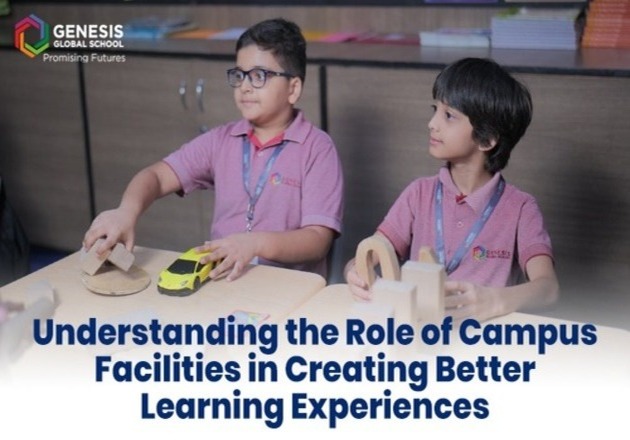
Understanding the Role of Campus Facilities in Creating Better Learning Experiences
July 23, 2026
How Everyday Campus Experiences Help Students Develop Leadership Skills
Key Highlights
- Leadership develops through regular experiences rather than one-time opportunities.
- Classroom activities encourage decision-making and communication.
- Sports build teamwork, discipline, resilience, and accountability.
- Performing arts and co-curricular activities encourage confidence and self-expression.
- Boarding life can strengthen independence and responsibility.
- Critical thinking helps students make thoughtful and informed decisions.
- A holistic school environment prepares students for leadership beyond academics.
Introduction
Leadership is not something students develop only after receiving a badge, becoming a prefect, or being appointed as a school captain. It begins much earlier through everyday experiences that teach them to communicate, make decisions, take responsibility, solve problems, and work with others. At Genesis Global School, a well-planned school environment gives children regular opportunities to practise these qualities in meaningful and practical ways.
At Genesis Global School, the Best Boarding School in Delhi NCR where education is presented as a journey filled with opportunities and fulfilment, with emphasis on developing confident, disciplined, and critical-thinking students. Its approach focuses on preparing learners to become responsible and caring members of a global society.
Why Does Leadership Development Begin With Everyday Experiences?
Leadership is built through small decisions made every day. Choosing how to complete a project, helping a classmate, presenting an idea, accepting responsibility for a mistake, or taking initiative during an activity can all become learning experiences.
Instead of treating leadership as a separate skill, schools can integrate it into everyday student life. When children are encouraged to participate, question, collaborate, and take ownership, they gradually become more comfortable making decisions and accepting responsibility for their actions.
This approach is particularly valuable during the school years because students have the opportunity to practise leadership repeatedly in different situations.
How Does Classroom Learning Build Future Leaders?
The classroom is one of the first places where children learn to express opinions and work with people who may think differently from them. Group projects, discussions, presentations, research assignments, and problem-solving activities encourage students to listen, contribute ideas, and reach decisions together.
The academic environment at Genesis Global School includes CBSE and International Baccalaureate pathways, offering students opportunities to engage with different styles of learning. Its emphasis on critical thinking and skill development supports students in becoming active participants in the learning process.
Everyday classroom experiences can help students develop:
- Decision-making skills
- Public speaking confidence
- Analytical thinking
- Problem-solving abilities
- Active listening
- Teamwork
- Responsibility
These abilities can become valuable foundations for leadership in higher education, professional life, and society.
How Do Sports and Activities Strengthen Leadership?
Some of the strongest leadership lessons happen outside the classroom. Sports, performing arts, competitions, clubs, and cultural activities allow students to experience teamwork and responsibility in practical situations.
A sports team, for example, teaches students that success depends on cooperation. Players learn to follow strategies, support teammates, manage pressure, and accept both victories and setbacks. These experiences can build resilience and emotional maturity.
Similarly, performing arts and creative activities give students opportunities to express themselves before an audience. Taking part in productions, presentations, competitions, or events can gradually reduce hesitation and strengthen confidence.
Why Are Communication and Collaboration Important?
A good leader needs more than confidence. They must know how to communicate ideas clearly while also listening to others.
Campus activities provide frequent opportunities for students to interact with peers, teachers, mentors, and different groups. Working together towards a common objective teaches children how to divide responsibilities, resolve disagreements, respect different viewpoints, and keep a team focused on its goal.
Such experiences can be particularly important for students growing up in diverse learning communities. They learn that leadership does not mean always being the person who speaks first; sometimes, it means listening carefully and helping others contribute.
How Does Boarding Life Encourage Independence?
For residential students, everyday life provides another layer of leadership development. Living within a structured boarding community requires students to become more responsible for their routines, belongings, time, relationships, and commitments.
The boarding environment at Genesis Global School is designed to provide students with opportunities for academic focus, personal development, community interaction, and independence. Such experiences can help children become more self-reliant while learning the importance of cooperation and consideration for others.
Boarding experiences can encourage:
- Time management
- Self-discipline
- Personal responsibility
- Independence
- Adaptability
- Peer cooperation
- Decision-making
These qualities can become particularly useful as students transition into university and eventually professional environments.
How Does a Global Learning Environment Shape Leadership?
Modern leadership requires students to understand perspectives beyond their immediate surroundings. Exposure to different cultures, ideas, disciplines, and learning approaches can encourage children to become more open-minded and adaptable.
The institution’s focus on developing confident and critical-thinking learners connects with this broader educational objective. Its international curriculum offerings and emphasis on preparing students for a global society provide learners with opportunities to think beyond conventional academic boundaries.
The aim is not simply to produce students who perform well in examinations but individuals who can approach unfamiliar situations with confidence, curiosity, and responsibility.
What Should Parents Look for in a Leadership-Focused School?
Parents evaluating schools should look beyond formal leadership positions. A strong leadership culture can often be identified through the opportunities students receive every day.
Parents can consider whether a school provides:
- Opportunities to take initiative – Students should be encouraged to lead projects and activities.
- Collaborative learning – Group work can develop communication and teamwork.
- A strong extracurricular programme – Sports, arts, clubs, and competitions provide practical experiences.
- Space for independent thinking – Students should be encouraged to question and analyse.
- Supportive mentoring – Teachers can guide students while allowing them to make age-appropriate decisions.
- A responsible residential culture – For boarding students, structured independence can strengthen maturity.
When these elements become part of everyday school life, leadership stops being an occasional activity and becomes a continuous learning process.
Conclusion
Leadership is developed through experience. Every classroom discussion, sports match, group project, cultural activity, responsibility, and residential routine can teach students something about communication, teamwork, decision-making, resilience, or accountability.
At Genesis Global School, a school that combines academic learning with sports, creative opportunities, critical thinking, independence, and community experiences can create the right environment for these qualities to grow. For families exploring a Best Boarding School in Delhi NCR, the real question is not simply whether students are given leadership titles, but whether their everyday environment gives them meaningful opportunities to think independently, take initiative, work with others, and become responsible individuals.
FAQs
1. How do everyday campus experiences develop leadership skills?
Daily activities such as projects, sports, presentations, events, and classroom responsibilities help students practise communication, teamwork, decision-making, and accountability.
2. Why are extracurricular activities important for leadership?
They allow students to take initiative, work towards shared goals, manage challenges, and develop confidence outside conventional academics.
3. Does boarding education support leadership development?
Yes. A structured residential environment can encourage independence, discipline, time management, cooperation, and personal responsibility.
4. How does classroom learning promote leadership?
Discussions, group assignments, presentations, and problem-solving activities encourage students to communicate ideas, listen to others, and make informed decisions.
5. What leadership qualities should students develop?
Important qualities include confidence, empathy, communication, critical thinking, resilience, collaboration, accountability, and the ability to take initiative.
6. Why should parents consider leadership opportunities while choosing a school?
Regular leadership opportunities help children develop practical skills that support academic, personal, professional, and social growth in the future.